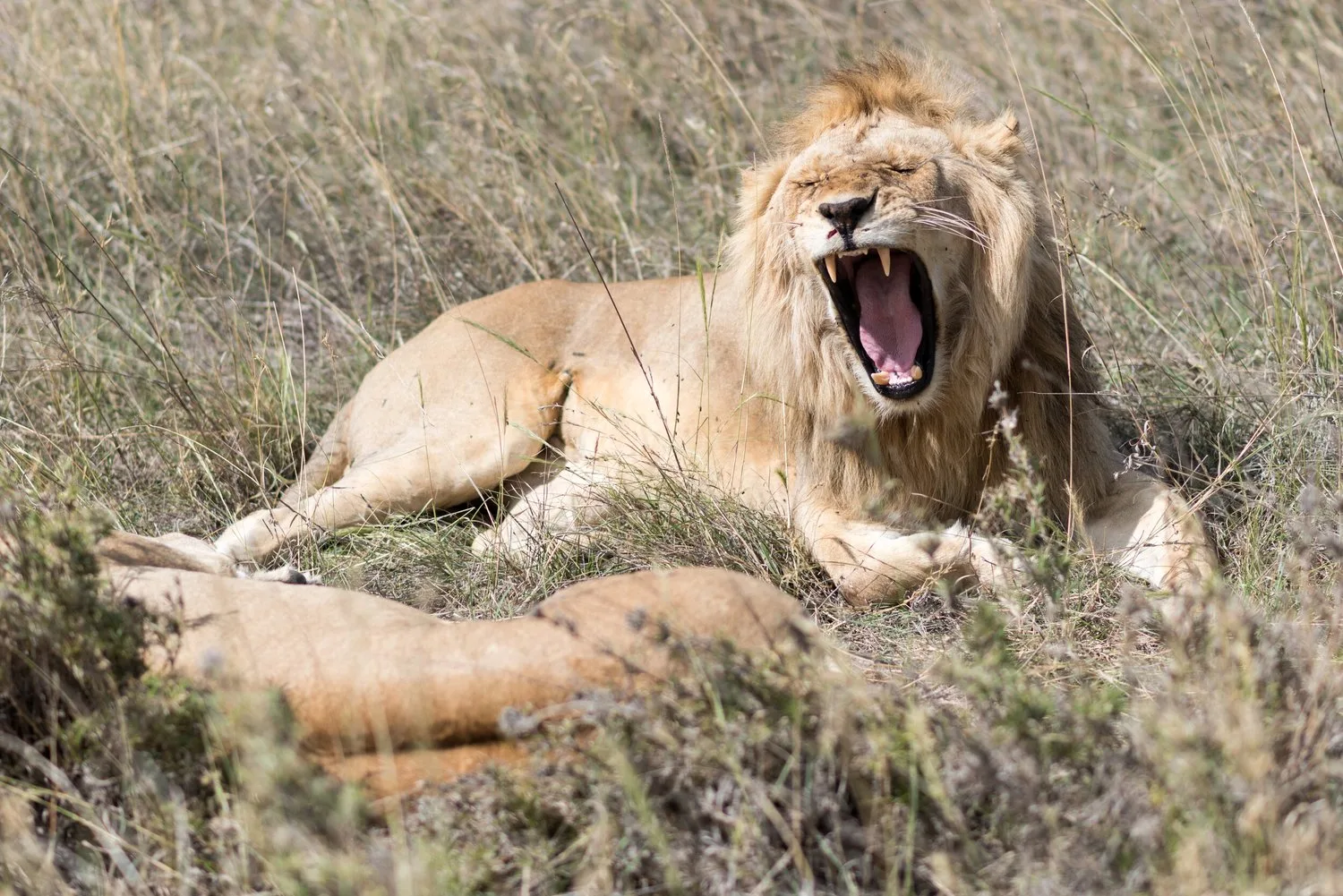
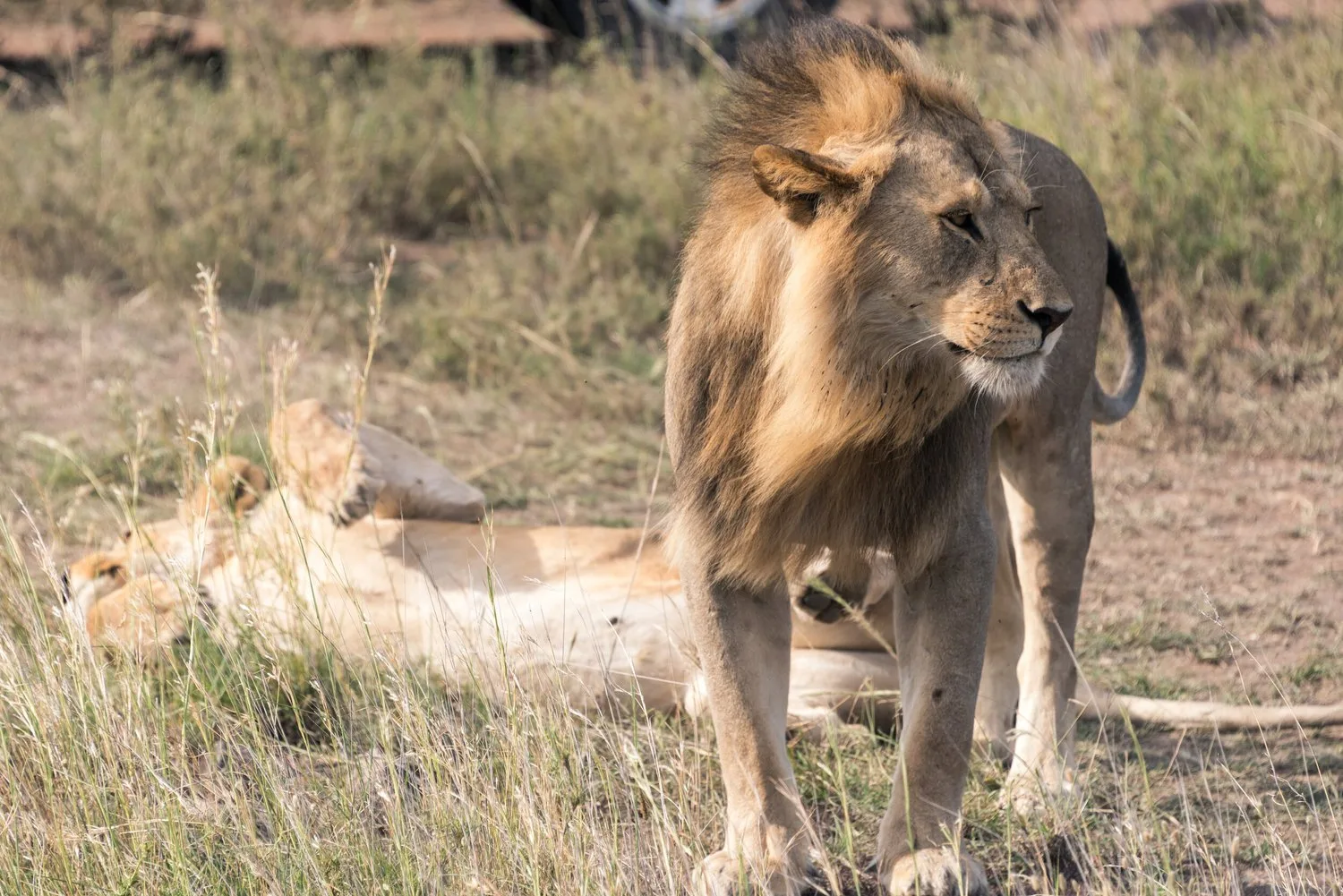
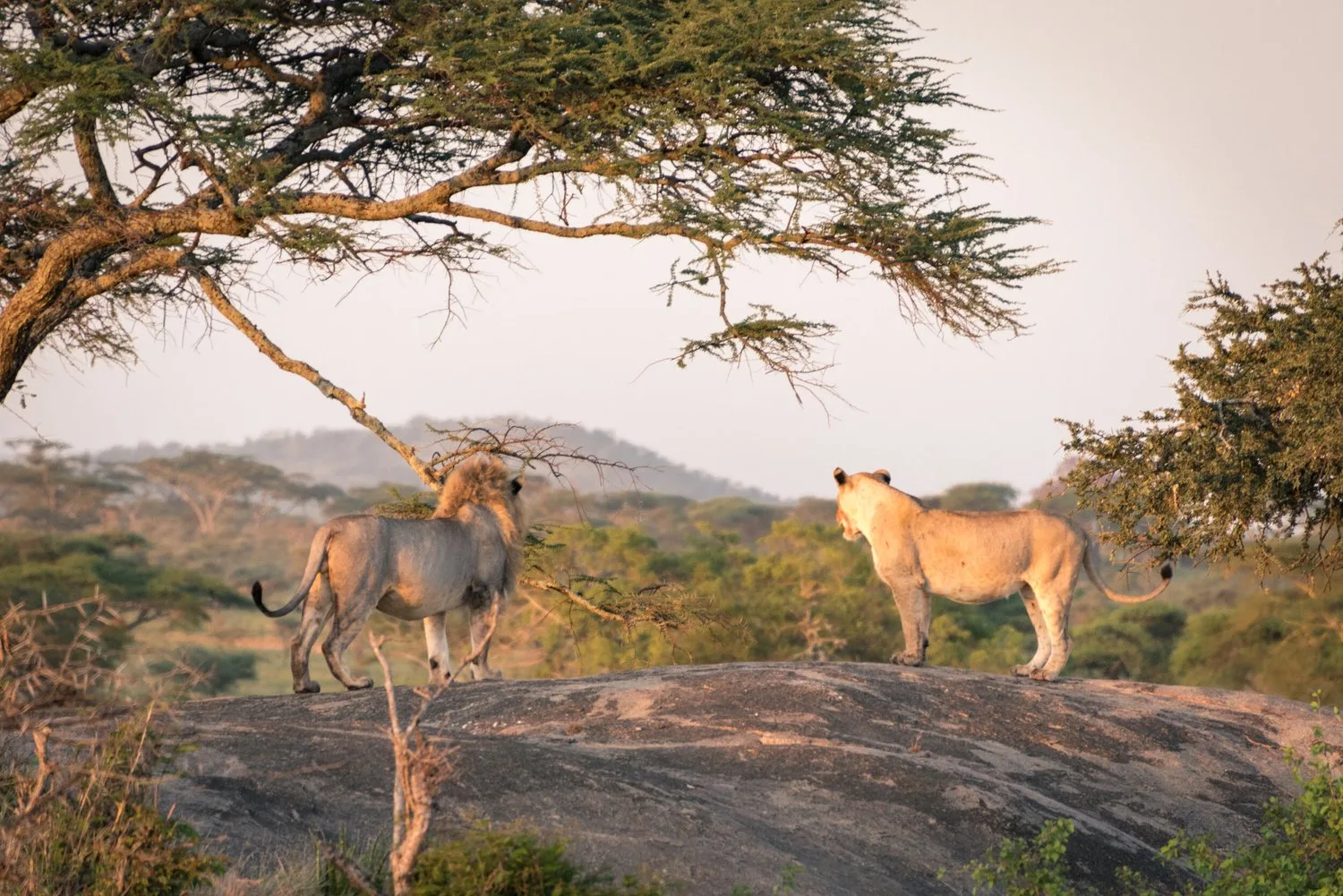
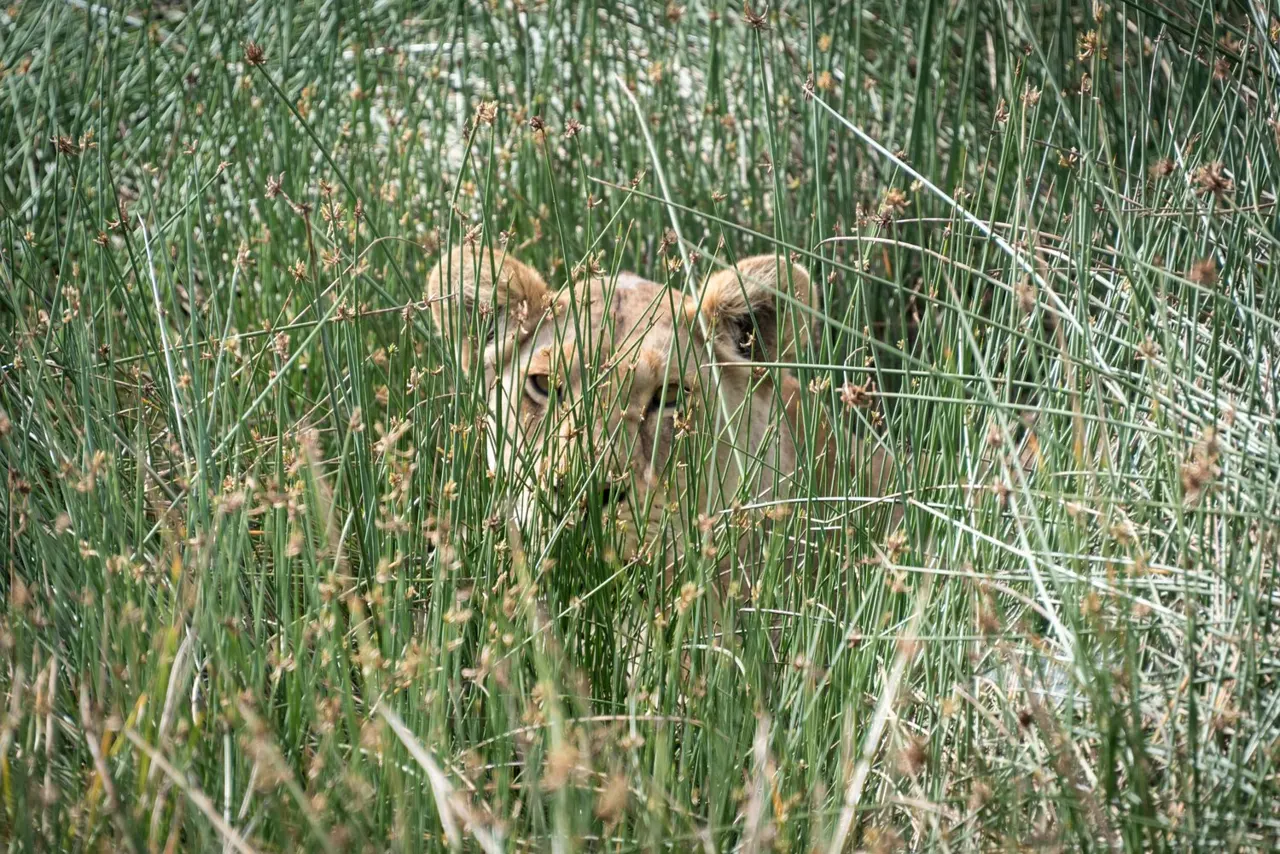
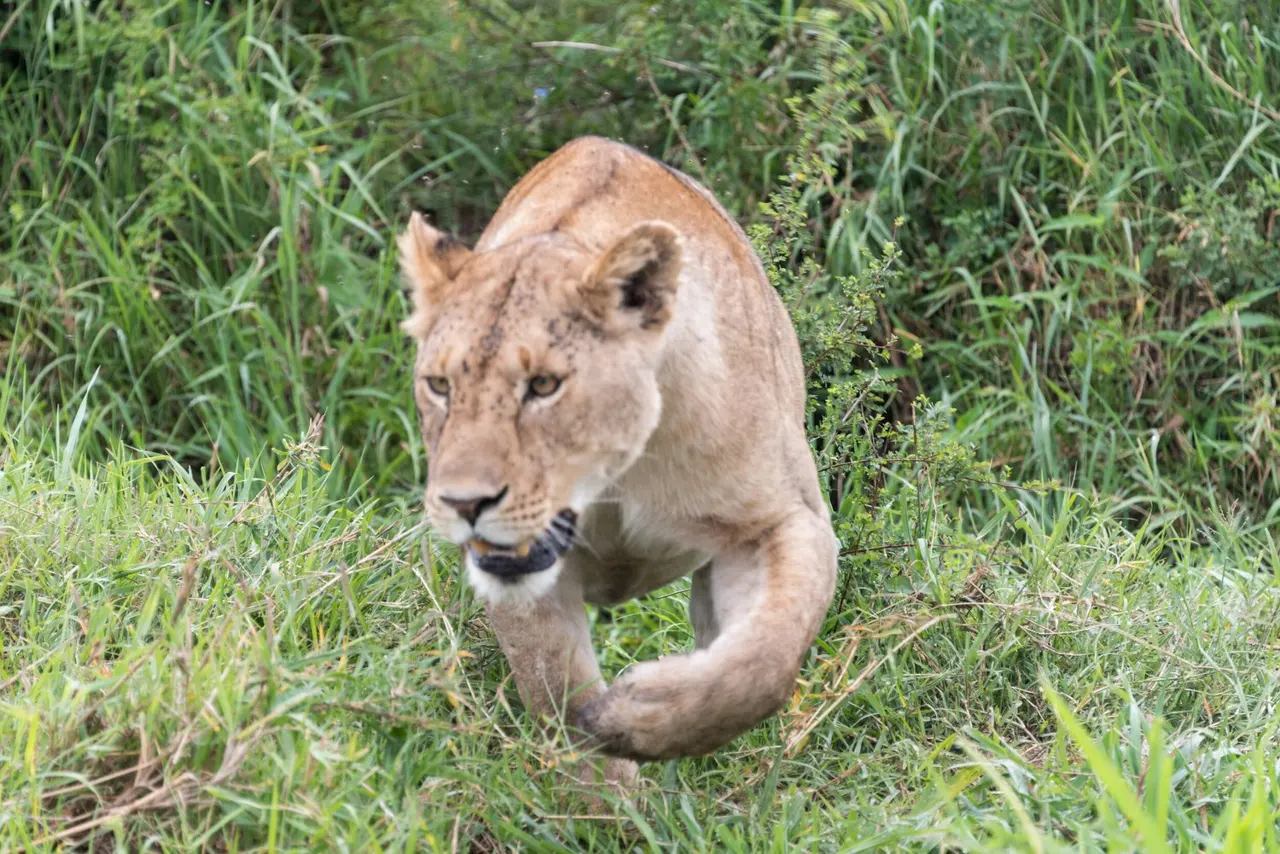
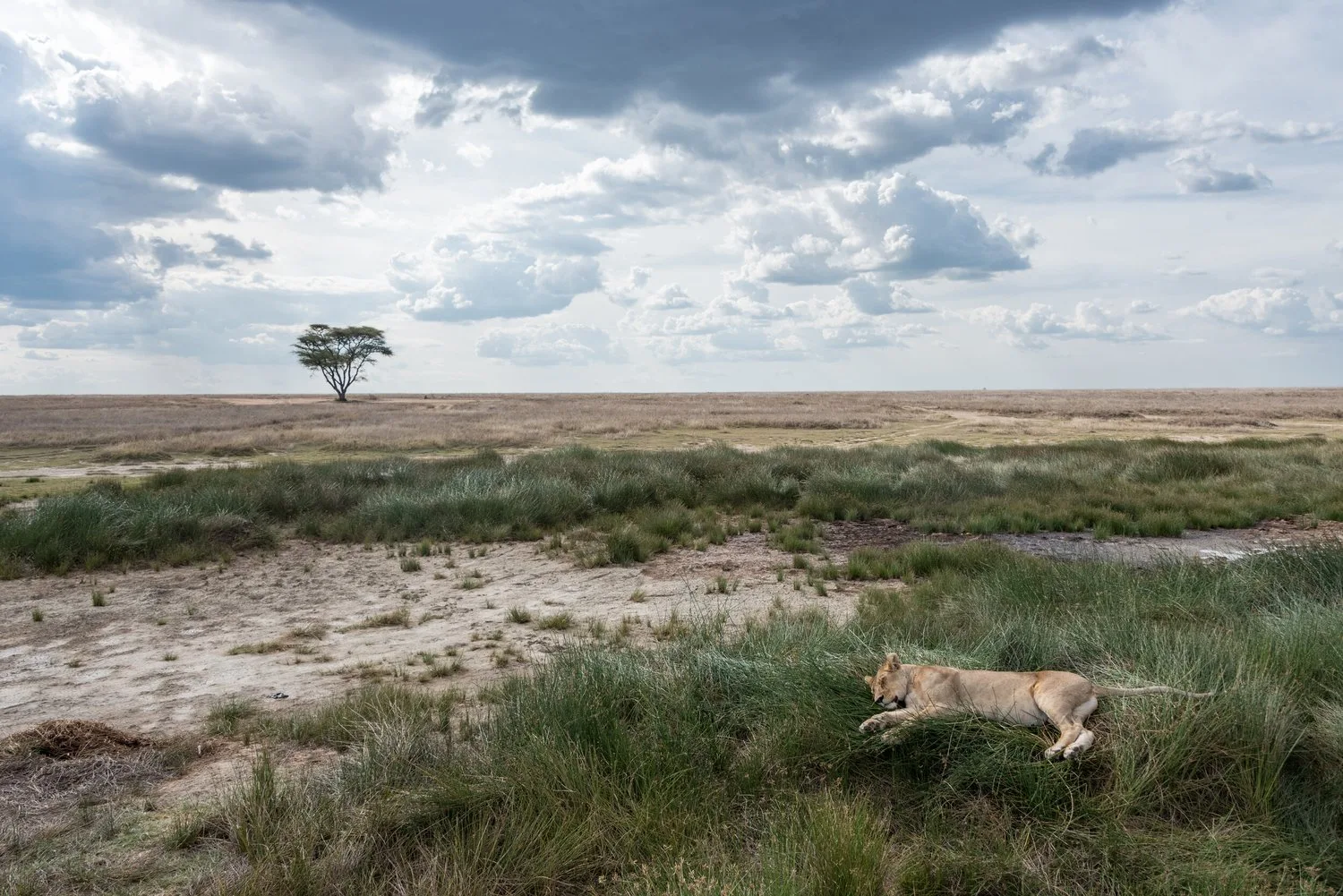
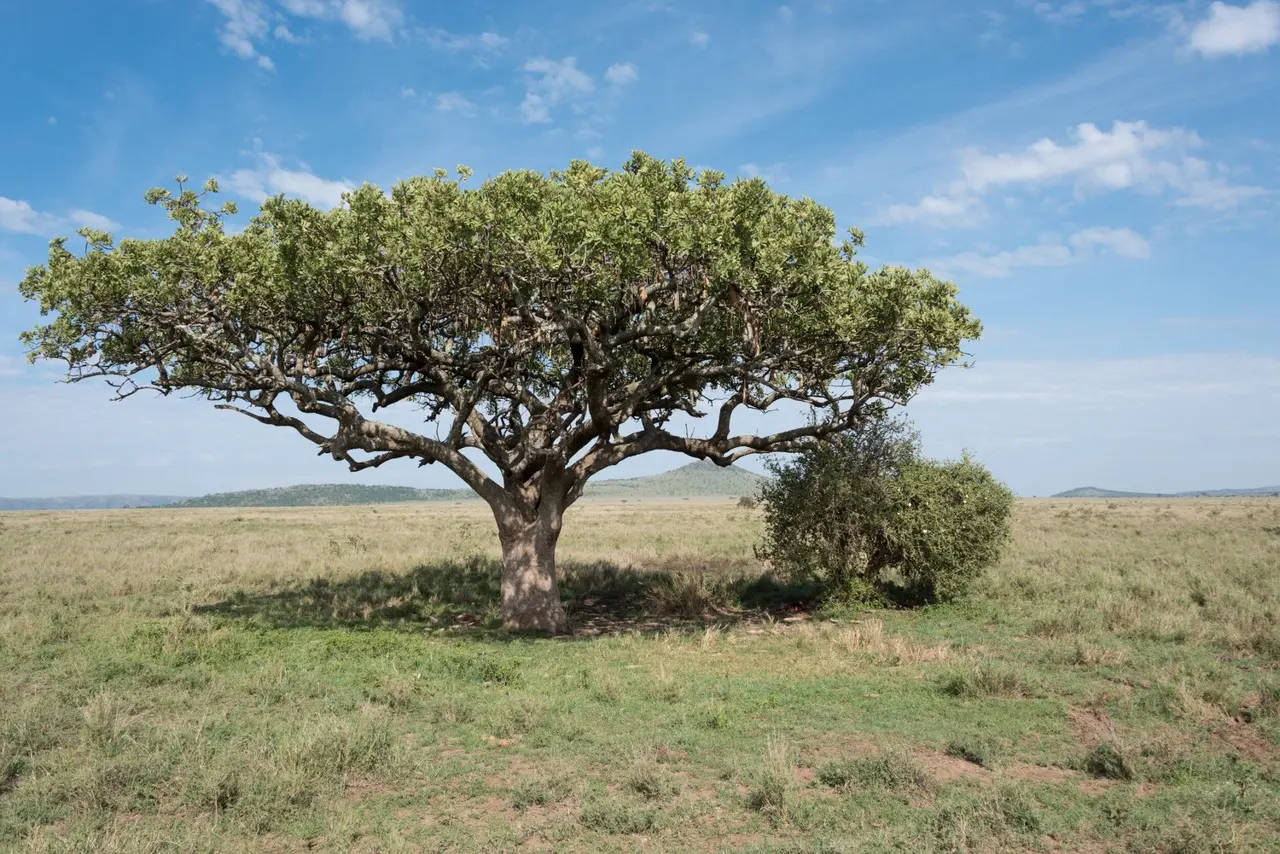
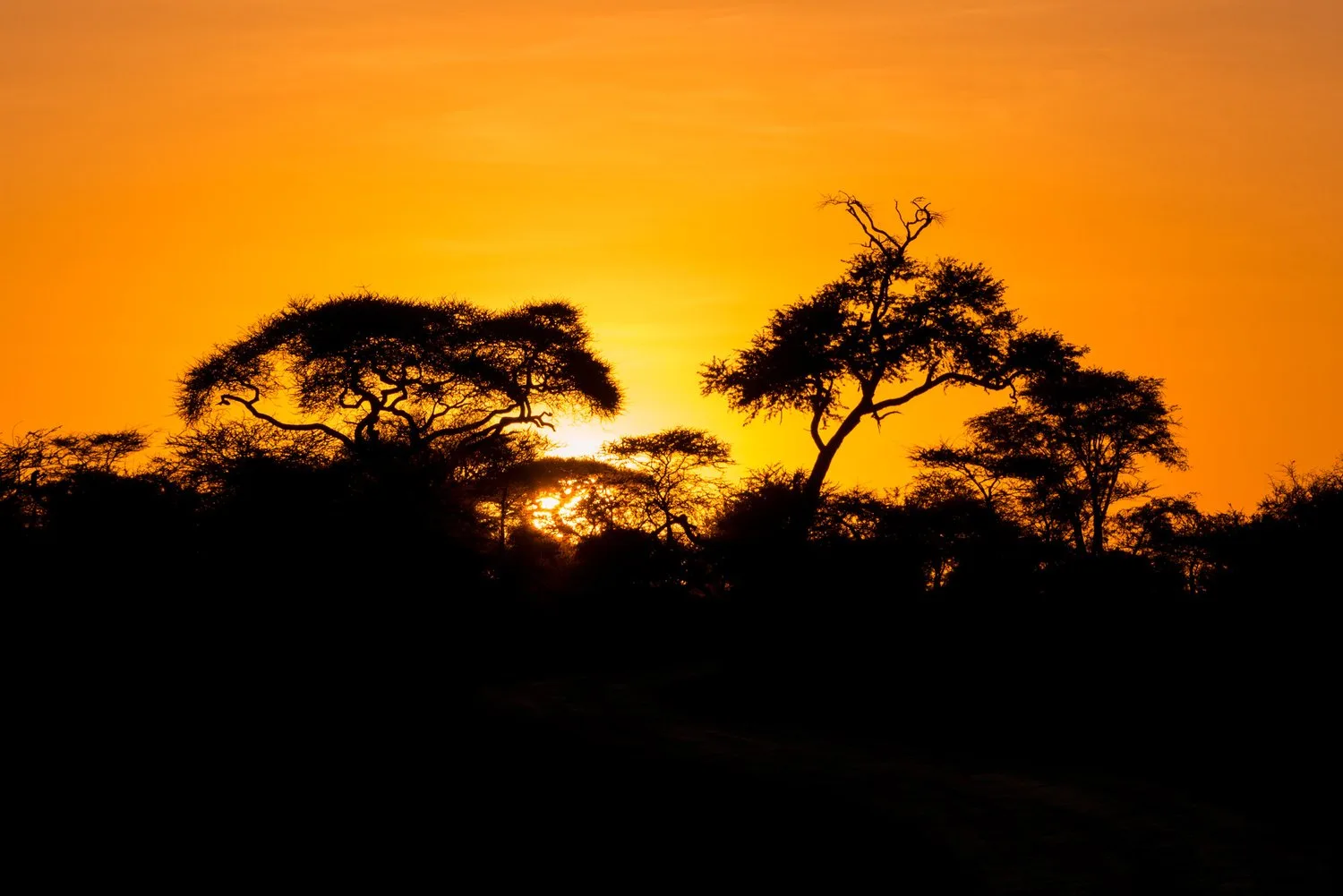
It was just before dawn as our small group piled into the popped-top, converted land cruiser and raced out into the savannah, clamoring our way towards the perfect spot to catch the Serengeti sunrise. The cold morning air numbed my face as I stood up in our vehicle, head on a swivel, wildebeest-dotted plains in front and the silhouettes of top-heavy acacia trees behind, waiting for the warmth of the sun soon to show its face. In the faint blue dawn light, out ahead, I caught a glimpse of 2 yellow-ish figures perched on a giant boulder seemingly dropped onto an otherwise flat expanse. Our mad dash turned to a slow crawl as the scene unfolded before us. The male lion’s mane flowed in the early morning breeze as he surveyed his kingdom (and recent kill) from atop the rock. Two female lions lazed next to him, surely full from their early morning feast. In the distance, hyenas roamed near the kill as vultures flew in and out, and the remaining lions made their way towards the others, satiated and satisfied, just in time for the warmth and light of the rising sun to crown the king of the jungle with a golden coat for all to see. Behind the canopies of the acacia trees, the blood-red sun made its grand appearance, lighting the sky on fire as we sat in awe of the spectacle.
Such is life on Safari.
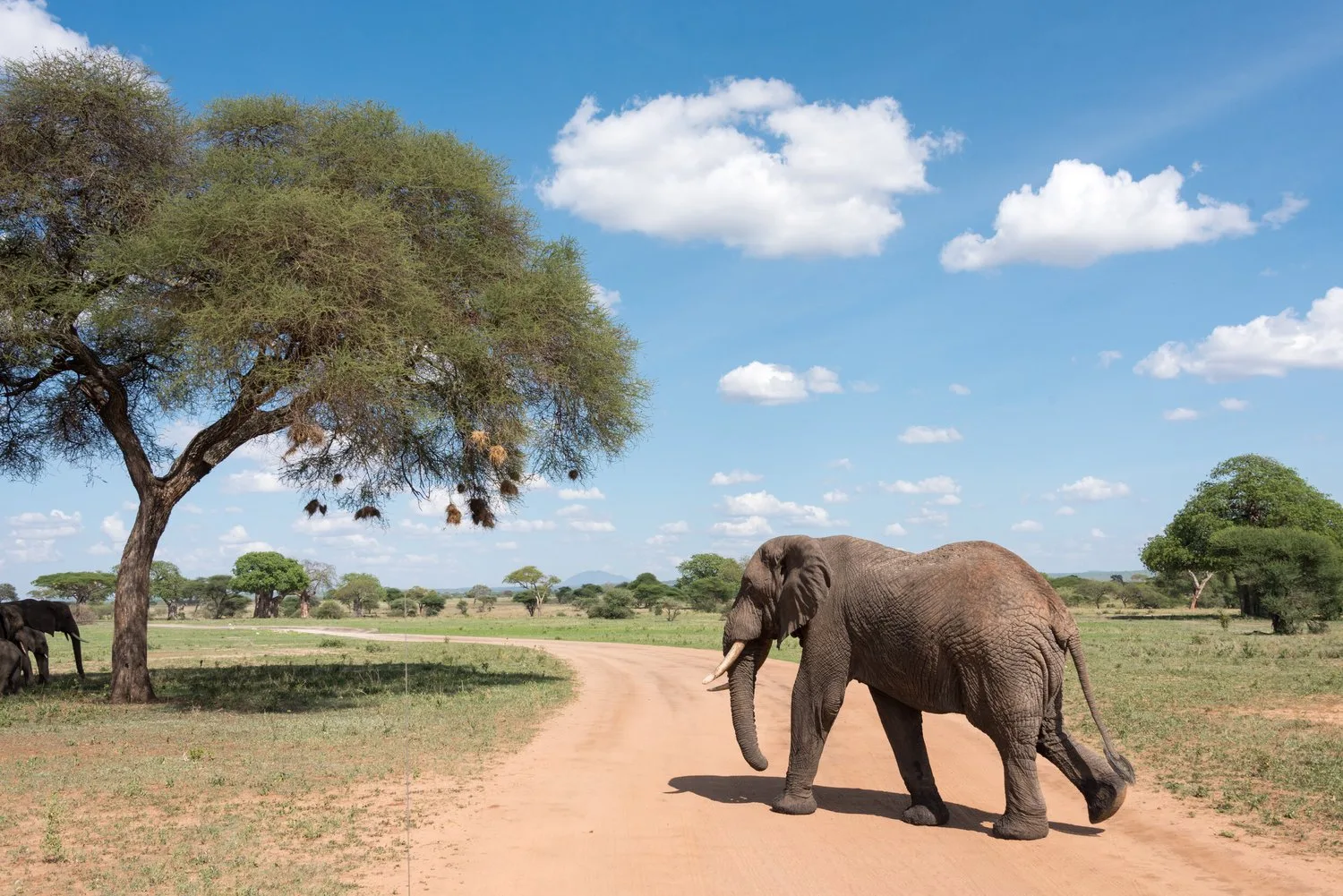
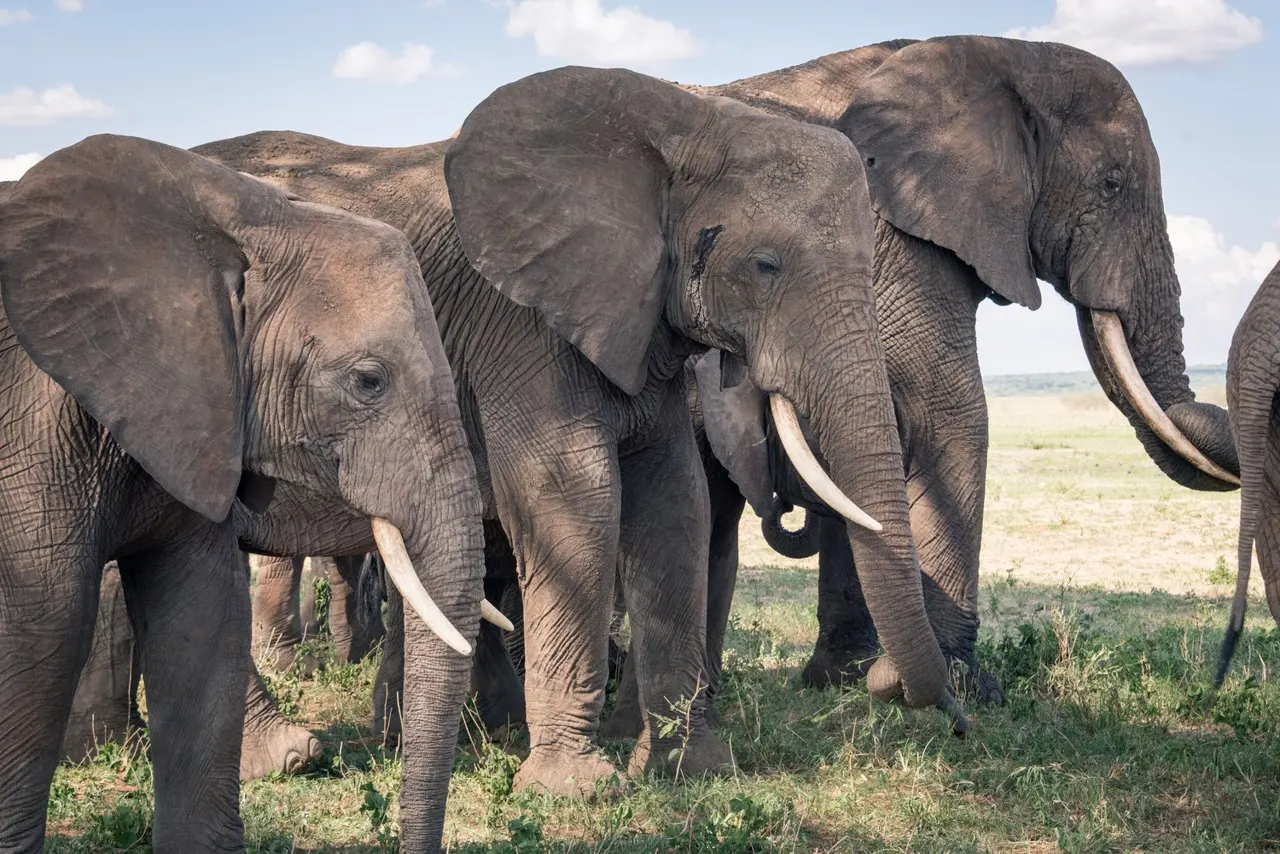
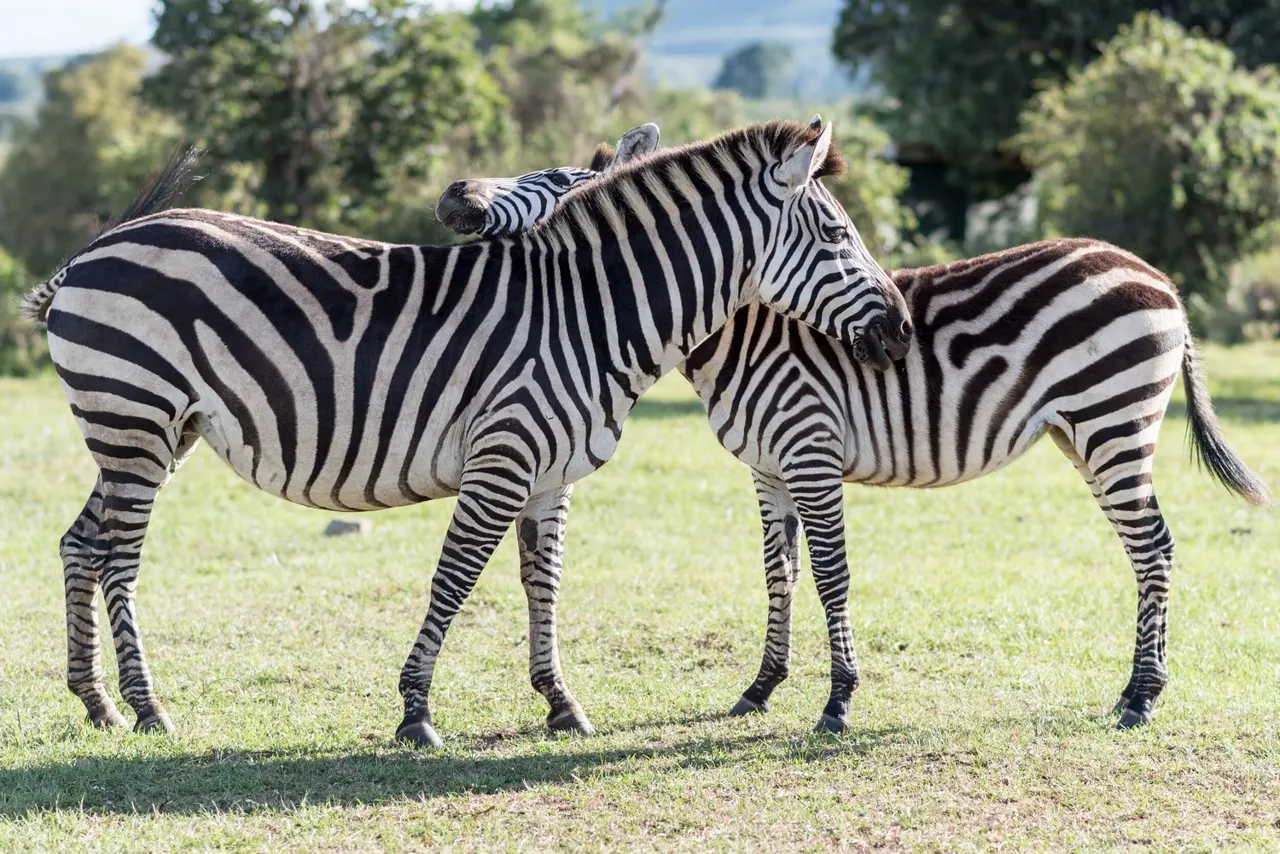
From the moment we drove into Tarangire (the first of 3 national parks we’d visit during the 5-day safari in northern Tanzania), the wildlife was abundant. On the 2-minute drive from the park entrance to our first camp, zebras, impalas, and gazelles grazed just a stone’s throw from the vehicle, not to be bothered by our presence, unless they happened to be in the middle of our path on the dirt road. The sun shown brightly on their brilliant coats: the dark blacks and bright whites of the zebra, the golden brown of the impalas, it was all so pristine. Setting off for our first game-drive from camp, we happened almost immediately upon giant elephants taking a sip from the nearby pond. Everyone was enthralled with the sight, zoom lenses at the ready, for little did we know that we’d be getting up close and personal with hundreds of elephants throughout the afternoon. On multiple occasions we parked our car on the dirt track and watched as herds of elephants passed in front, so close it felt as though you could touch them. The giant beasts ranged in size from (relatively) tiny babies to the giant bulls with tusks that looked to be 10 feet long. They rumbled about, incessantly eating anything they could get their trunks on, always protecting their young, sometimes play fighting with each other, and seemingly enjoying a life that consists of eating for 16 hours a day. Twenty minutes into the drive, after a herd of 20 or so elephants surrounded us on all sides and made us wait for them to cross the road, swaying their trunks and ears to and fro, I would have been happy to call it a Safari and head home – I’d gotten my money’s worth already, one day into the trip, in a national park I’d never even heard of until the day before. I couldn’t imagine how it could get any better.
Per usual, I was mistaken.
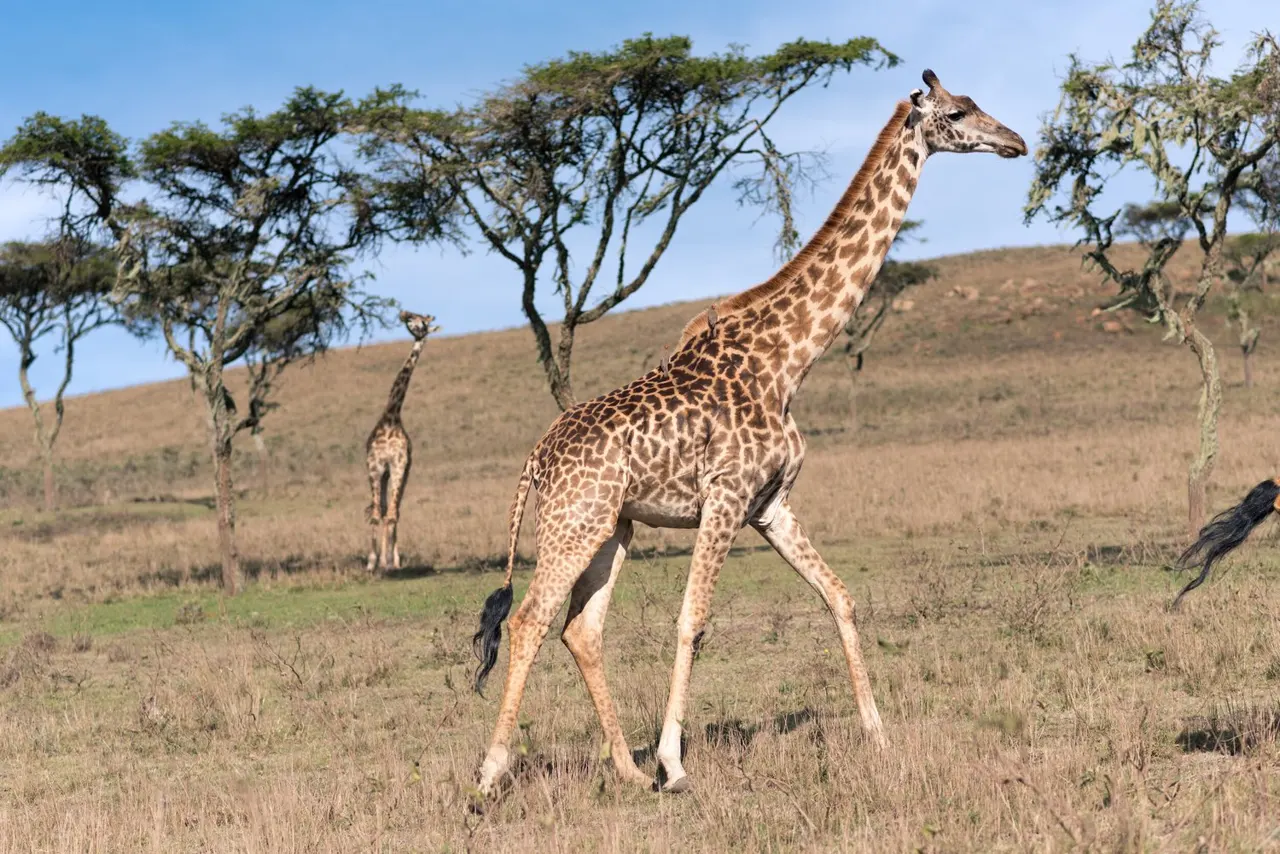
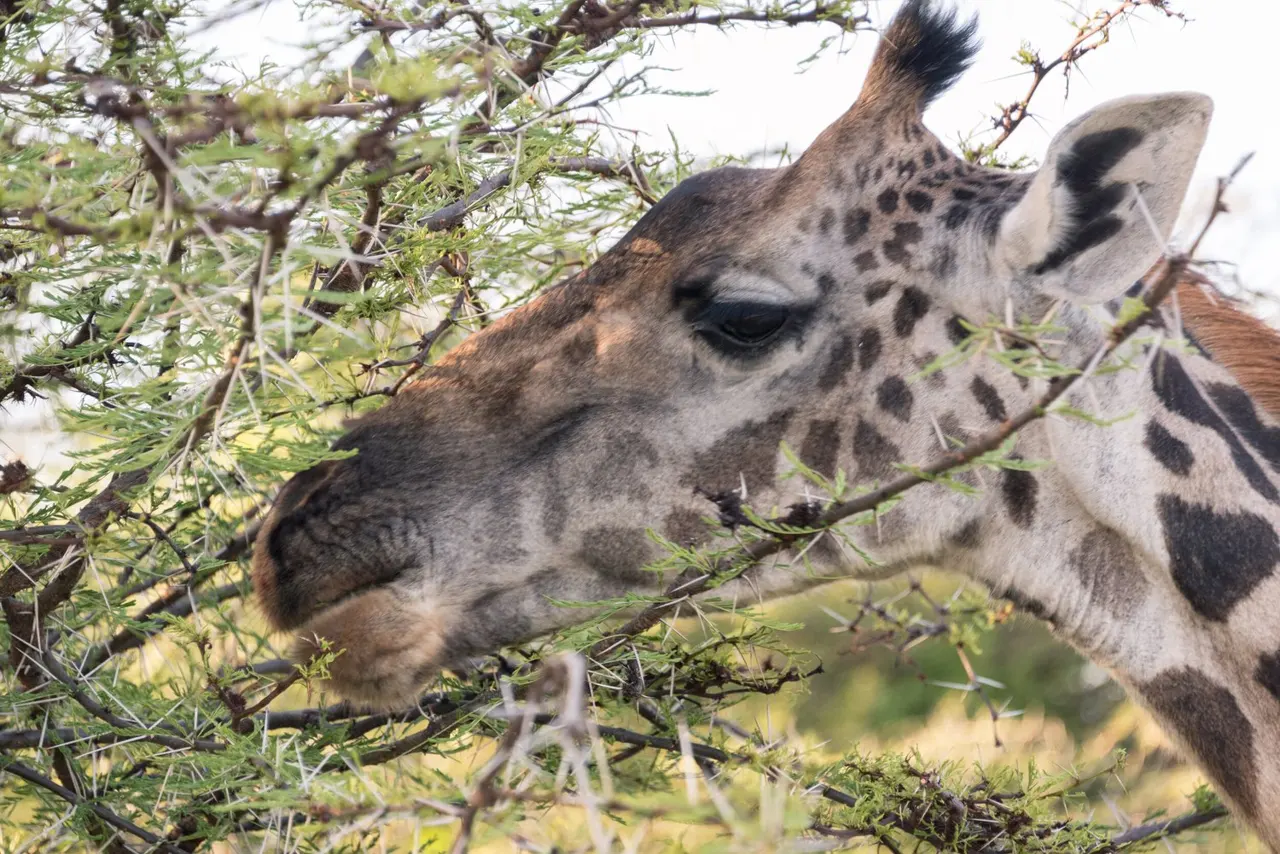
Aside from the dozens of herds of elephants, we encountered topis and antelopes of all kinds amongst peculiar baobab trees, baboons, wildebeests, and warthogs (Pumba!), along with giraffe families and lone rangers munching at the tops of the thorny acacia trees. One friendly giraffe paid us no mind as he sat gnawing the branches directly above our heads, his brilliant coat, like some kind of artist’s canvass, on full display at eye level. Only after he noticed us did he begin a kind of slow-motion sprint that was one of the more awkward spectacles of the day. The exhilaration of being surrounded by such a multitude of varying wildlife was intoxicating. On a normal day in the bush back home, you’re lucky to maybe catch a glimpse of a deer or bear, but here, as we criss-crossed the dirt roads of the park, I struggled to keep up with, and gave up on counting, the sheer number of different species that called the place home. My heart jumped with every set of horns I saw, my belly chuckled with each short-legged trot of the warthogs, and my neck creaked with each extended giraffe observation from below.
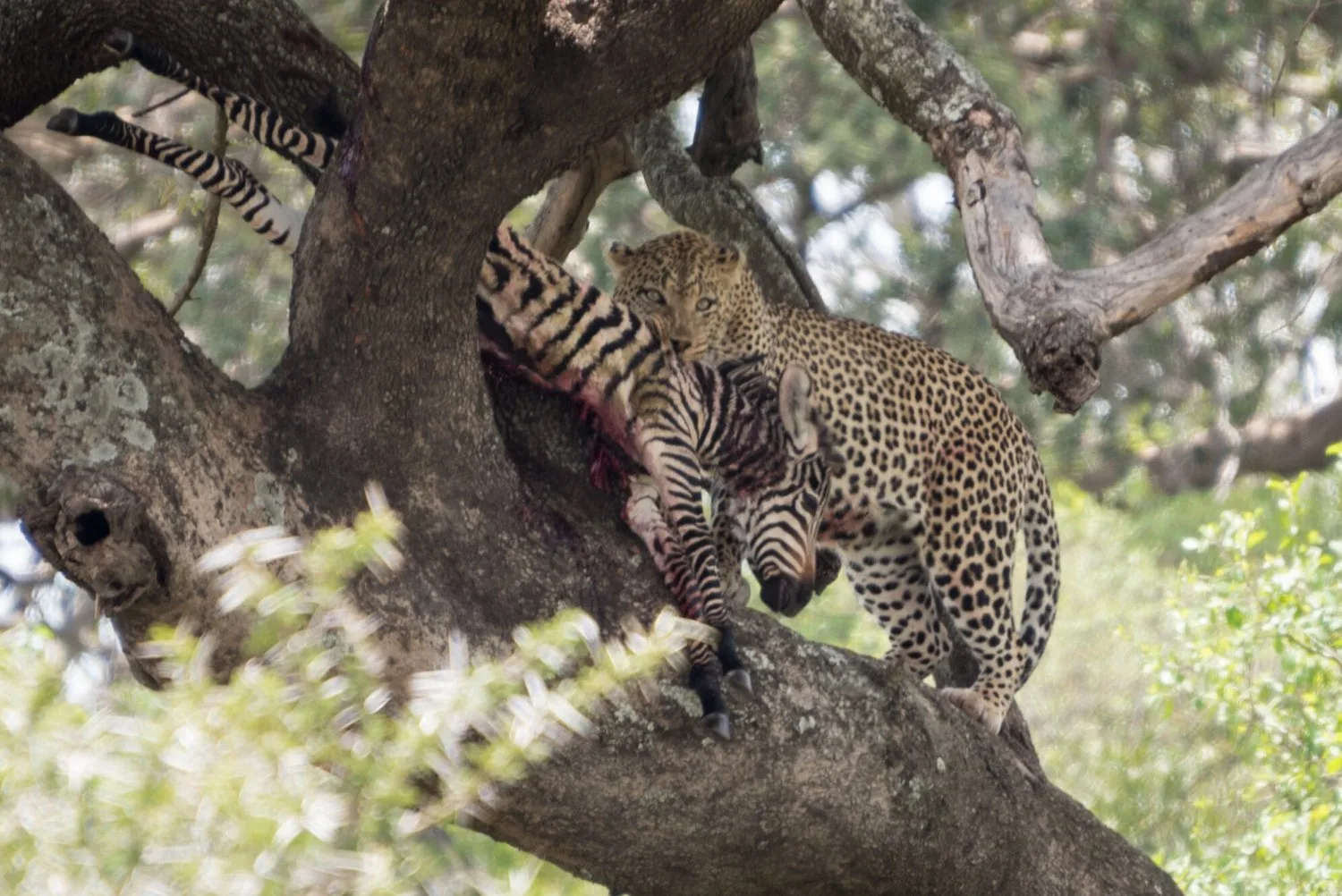
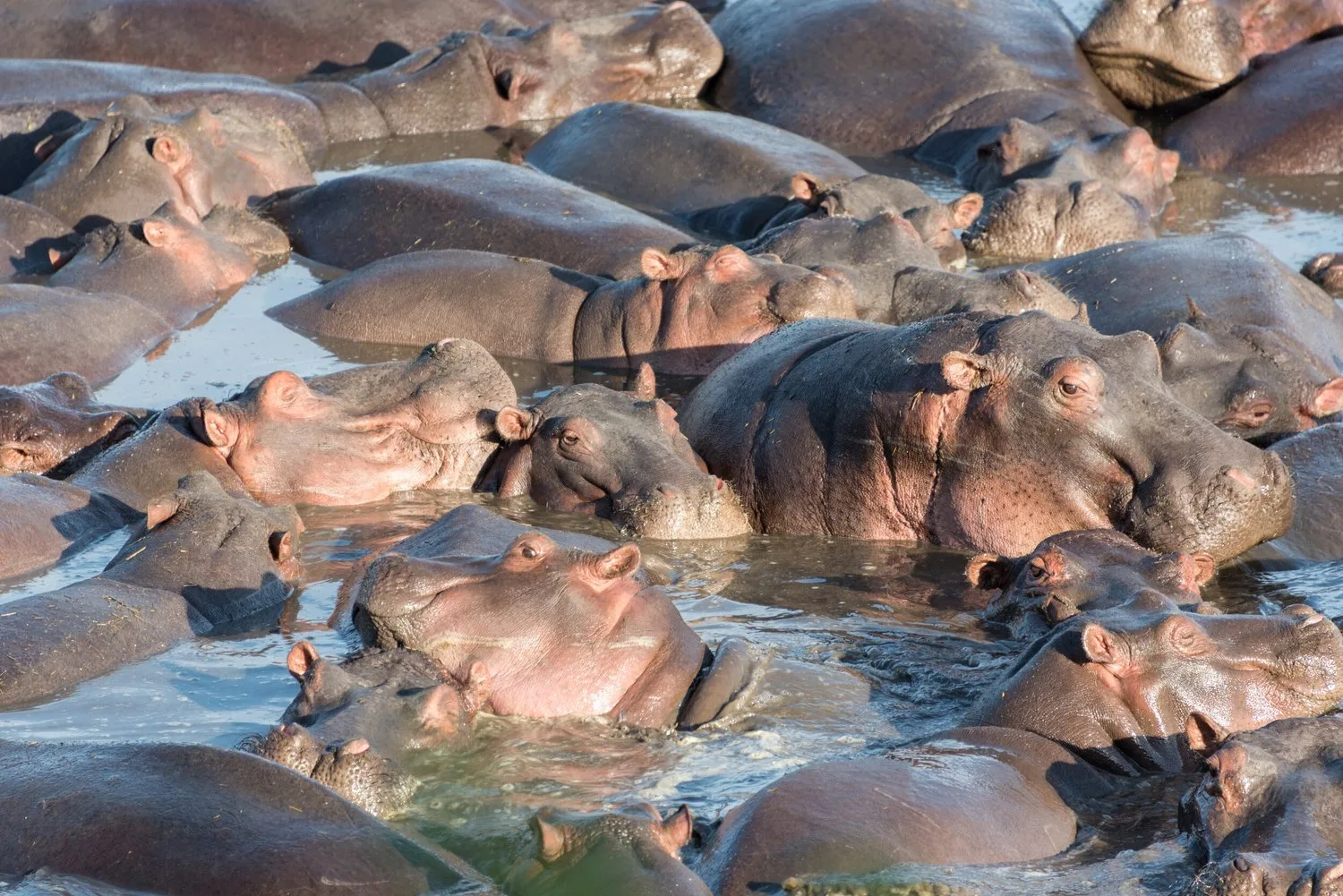
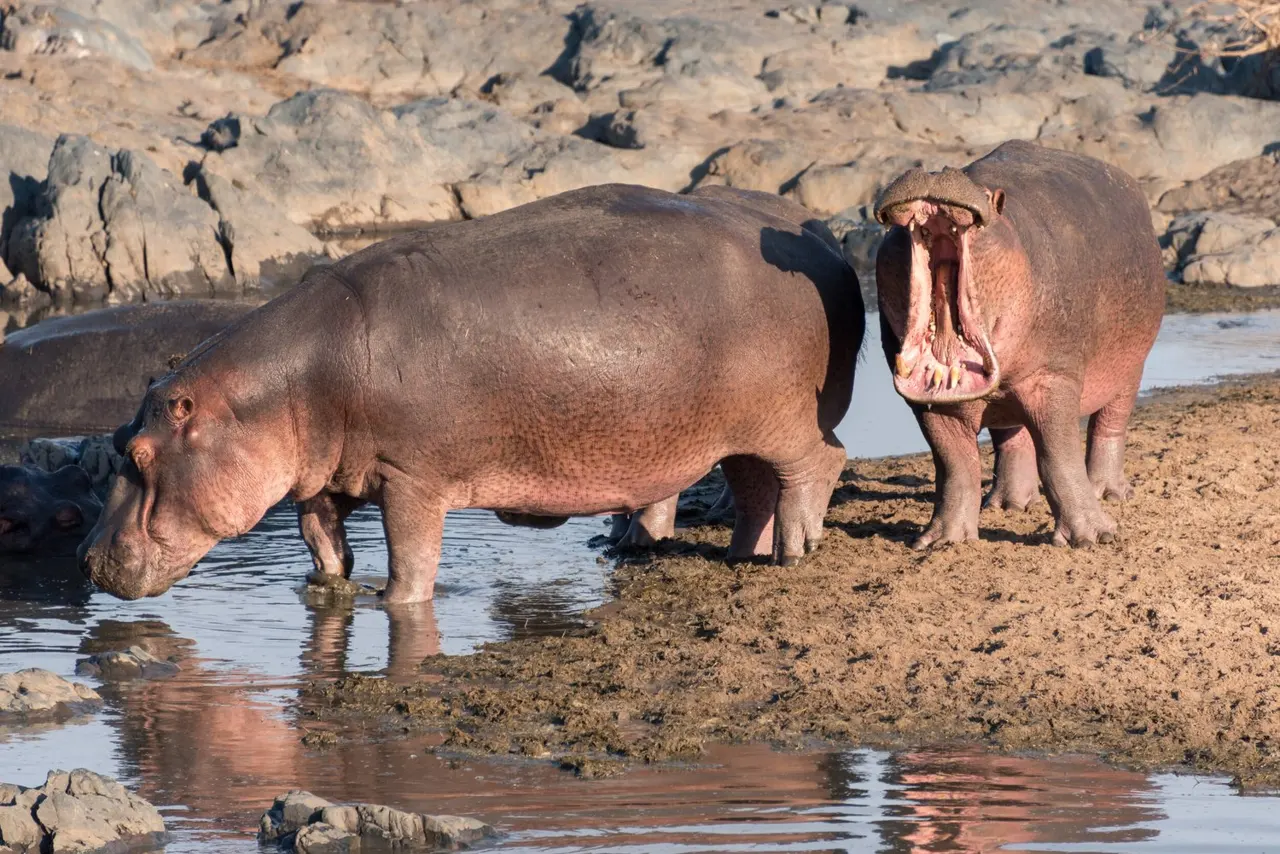
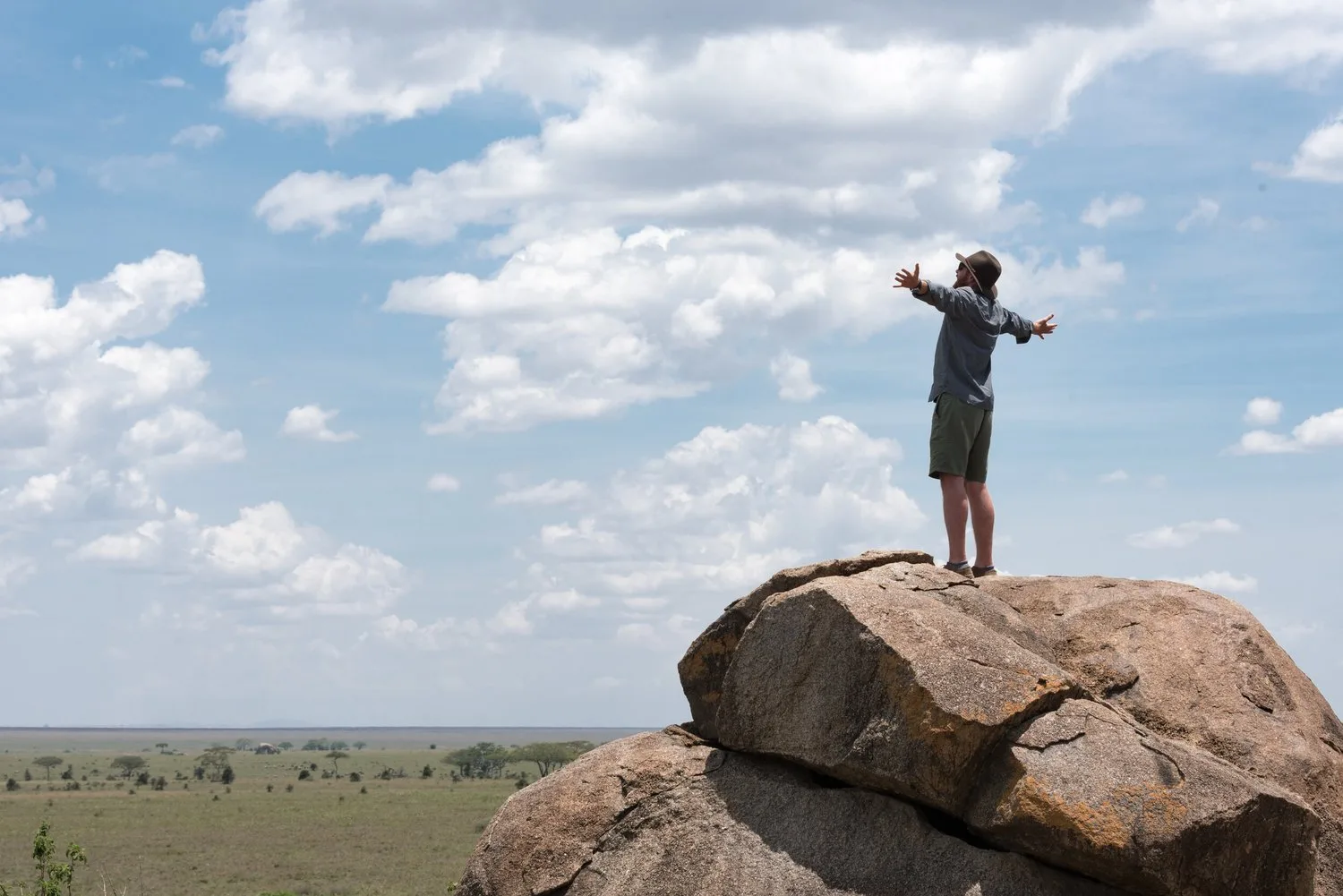
Upon arrival in Serengeti National Park, the rolling hills flattened to endless plains and the sky opened up to its widest as countless impalas turned to wildebeest herds and we traded elephants for lion sightings. Truly witnessing the circle of life, we observed lions gnawing on a wildebeest carcass before catching a Simba-sized mating session, with a climactic roar and all, across the Savannah. Even with 10 vehicles watching, it looked as though those lions felt the love that night. We chased cheetahs and spotted leopards sleeping high up in the trees. One leopard had just made his kill, a baby zebra he’d brought up in the tree with him, hanging on the branch next door. He must have been spooked by us, as he made his way down the tree, zebra clenched in his jaw, and up another. While somewhat sad for the baby zebra, it was truly nature in its rawest and most authentic form. We watched hyenas lurk about with their hunched backs and gnarly teeth, always at a distance from whatever beast they were near, always on the prowl for potential remains. Their calls were just as you’d imagine, a cross between a squeal and a laugh, which doesn’t help their less than stellar reputation as the creepy scavenger of the jungle. Needing a slight pick-me-up after the multitude of carcasses, we found ourselves at a hippo pond, where dozens of hippos lay just partially out of water, grunting and maneuvering on and around each other as they jockeyed for sleeping position. One can’t help but laugh, though the living conditions of these giant beasts aren’t quite luxurious. The stench can be smelled a mile away, as most of the day is spent defecating into the shallow ponds and spraying it over all the other fellow hippos with a swift flapping of the tail. It’s hilarious as an observer, but I can’t imagine the other hippos find it too funny.
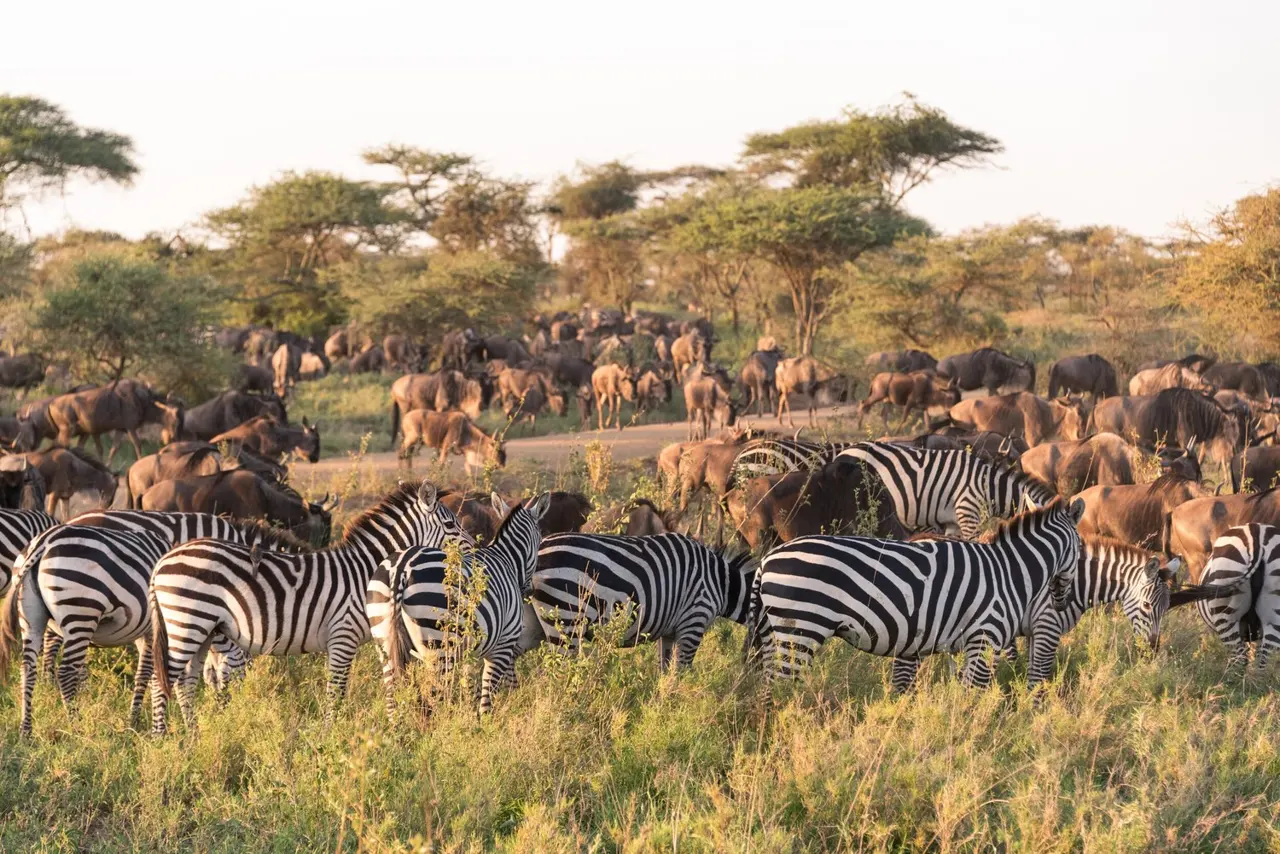
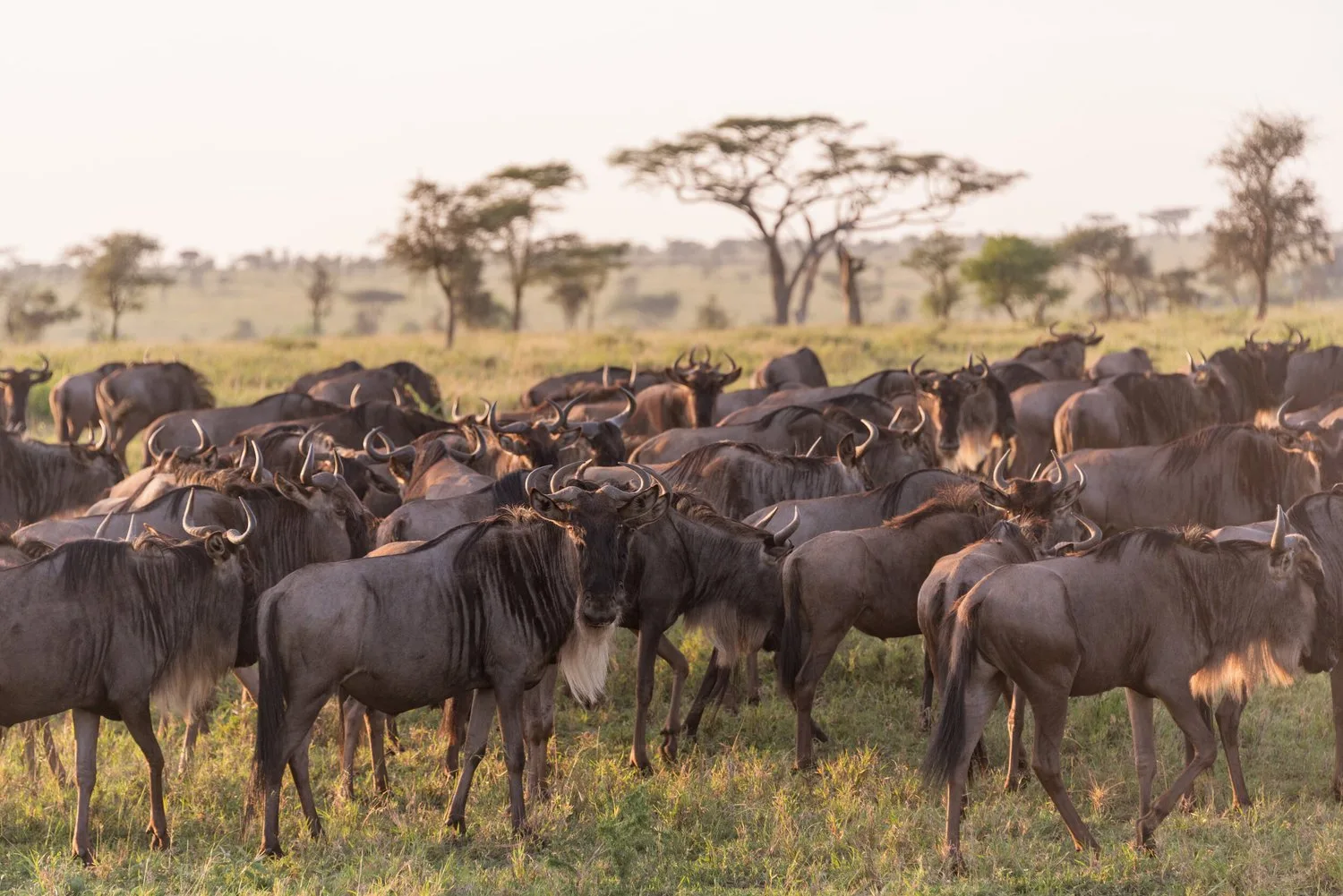
While some beasts are fascinating individually, others awe you with their sheer numbers. Caught in a portion of the ongoing wildebeest migration, we witnessed thousands upon thousands of wildebeest wandering the plains, often times with zebra scattered throughout. They huddled together in morning and late afternoon sun, glowing in the mist, or walked in single file as far as the eye could see, in search of greener pastures. The impalas and gazelles seem to also number by the thousands, darting their way all about.
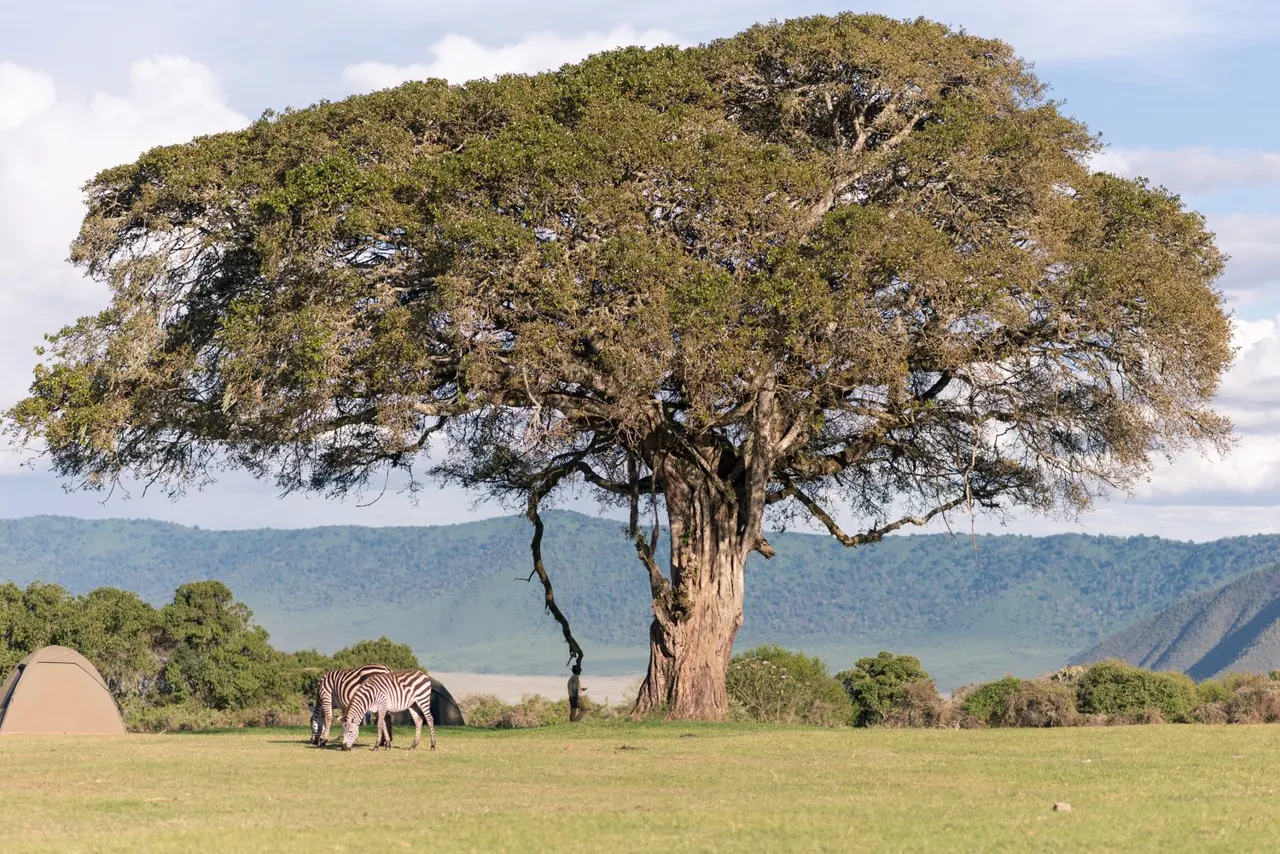
The night brought its own adventures, as giant buffalo roamed just through the surrounding trees, which can be slightly startling when the initial sighting is a set of green eyes glowing in the light of a headlamp. Baboons swung from branch to branch, defending their territory, and zebra gnawed on the grass just outside our tent. One person from our group even had a nighttime encounter with a hyena on the way to the bathroom. What more could you ask for?
On our final day, we dipped down into Ngorongoro Crater, a massive crater containing yet more wildlife of all shapes and sizes. We watched jackals call for their mates and rhinos slowly strut their stuff across the crater floor. Lions fit into the same frame as elephants, while bright green snakes and multi-colored birds, both big and small, hung out in the shrubbery. Driving through the crater, passing hippo ponds and lion-infested, reed-filled lakes, my face once again out in the breeze, I questioned whether I might be able to stay on Safari forever, to spend my days racing across the plains in search of unadulterated nature, never getting bored with the sight of a lion and its prey, the waddling of a warthog, or the elation of an elephant. It was not meant to be this time, as the top dropped and we climbed our way out of the crater, headed back to civilization, leaving our Serengeti Safari behind.
Lucky for us, our Grand African Safari is just beginning…